mr-hossein

FCC Certification and Equipment Authorization for LED Lighting Products

FCC Compliance and Equipment Authorization for LED Lighting Products Modern LED lighting is transforming residential, commercial, and industrial environments. However, high-frequency electronic drivers inside LED systems generate radio frequency (RF) emissions, placing these products under FCC equipment authorization requirements. This guide explains FCC rules, EMC testing requirements, and manufacturer obligations for RF LED lighting products FCC Certification and Equipment Authorization for LED Lighting Products

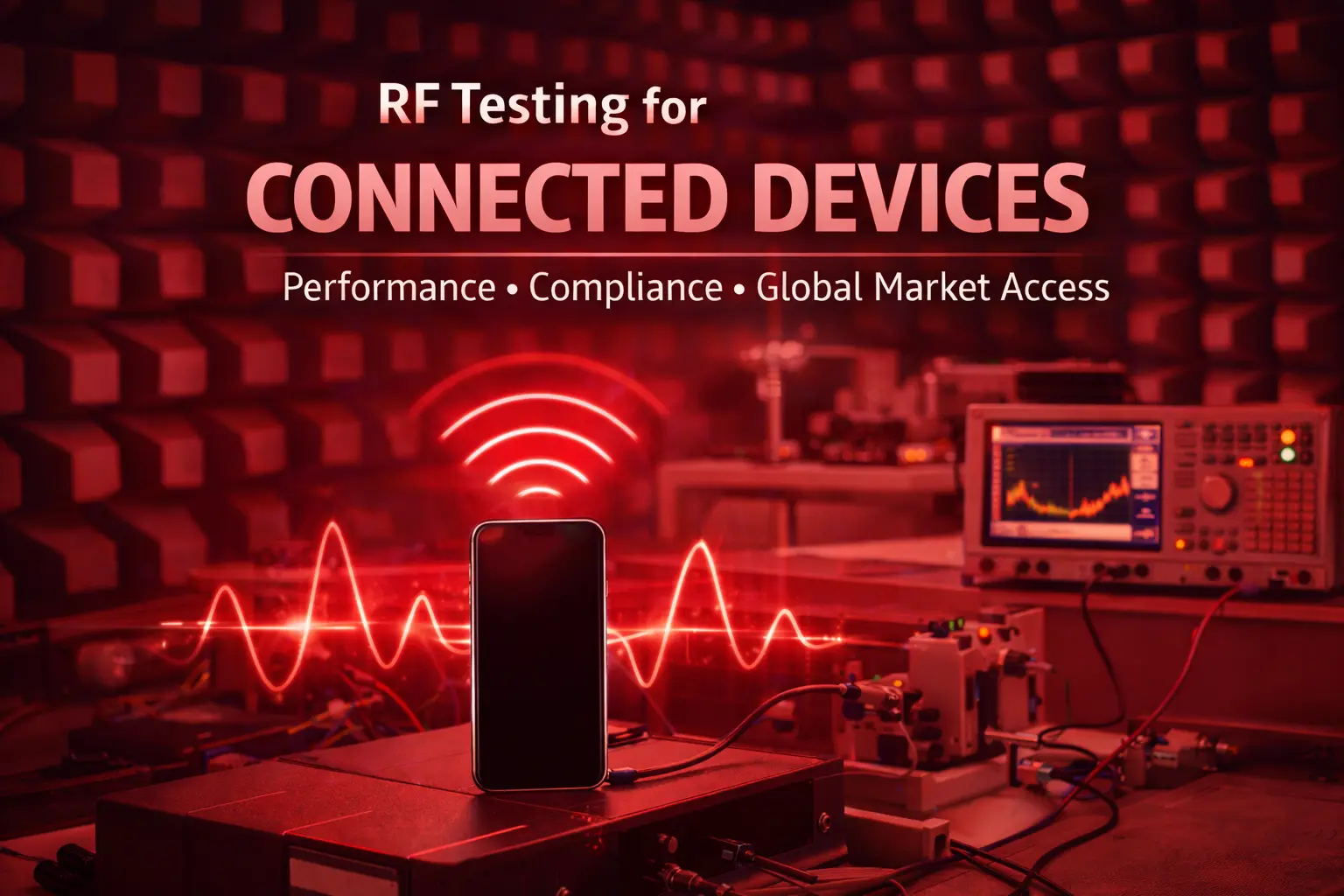
Importance of RF Testing

Wireless technologies are now embedded in a vast range of products, from IoT devices and industrial equipment to medical devices, automotive systems, and consumer electronics. As radio-enabled products continue to proliferate, Radio Frequency (RF) testing has become a critical requirement to ensure reliable operation, regulatory compliance, and safe coexistence with other wireless systems. RF testing Importance of RF Testing

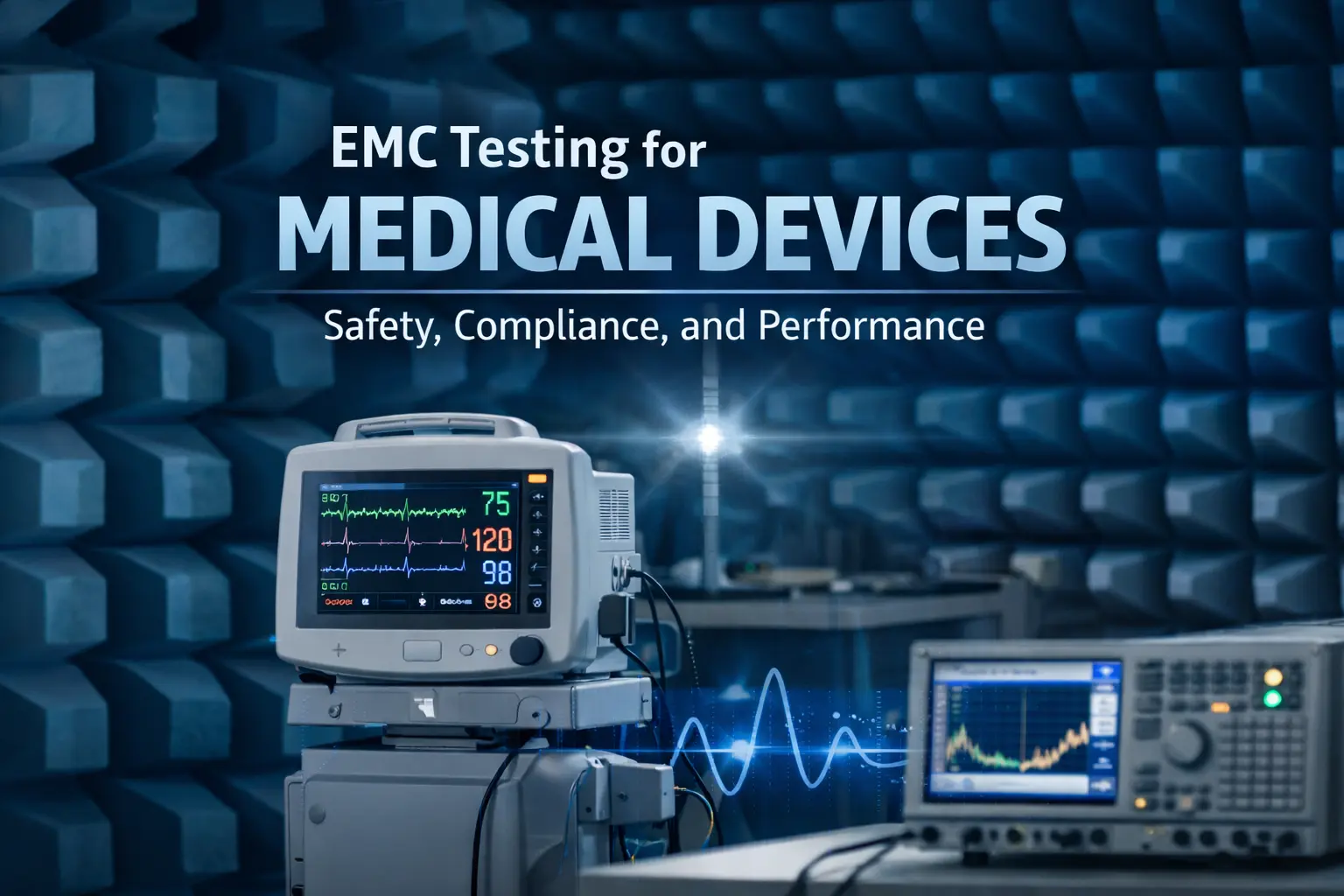
EMC Testing for Medical Devices

Electromagnetic Compatibility (EMC) testing is a fundamental requirement in the development and certification of medical devices. As modern healthcare systems increasingly rely on interconnected, electronically complex technologies, medical equipment must perform reliably in challenging electromagnetic environments—without disrupting nearby devices or compromising patient safety. Understanding EMC Testing EMC testing examines how a medical device behaves in EMC Testing for Medical Devices

Repeatability in EMC

In the world of EMC testing, achieving both speed and accuracy is paramount. Traditional approaches, often reliant on manual adjustments and external attenuators—as seen in systems like EMC 32—can complicate setups and take relatively long time to complete the tests. Modern measurement solutions have evolved to not only automate key processes but also integrate advanced Repeatability in EMC

How to Save Time and Money in EMC Testing

In the world of EMC testing, achieving both speed and accuracy is paramount. Traditional approaches, often reliant on manual adjustments and external attenuators—as seen in systems like EMC 32—can complicate setups and take relatively long time to complete the tests. Modern measurement solutions have evolved to not only automate key processes but also integrate advanced How to Save Time and Money in EMC Testing

Surge Testing on Data Cables

Introduction In many EMC and safety standards, surge testing is required for data cables exceeding 30 meters in length. This requirement is crucial for ensuring the resilience of electronic systems against transient overvoltages. But what justifies this length threshold? Here we explore the physical and electrical principles that necessitate surge testing for long data cables. Surge Testing on Data Cables

Step-by-Step Guide to Obtain FCC and ISED Certification for Radio Devices

Step 1: Determine the Regulatory Framework FCC and ISED regulate radio devices under different categories: FCC Certification: Required for devices operating on licensed and unlicensed frequency bands, such as Wi-Fi, Bluetooth, and cellular modules. ISED Certification: Devices sold in Canada must comply with ISED’s technical standards, known as Radio Standards Specifications (RSS). Use the FCC Step-by-Step Guide to Obtain FCC and ISED Certification for Radio Devices

Conducted Emission

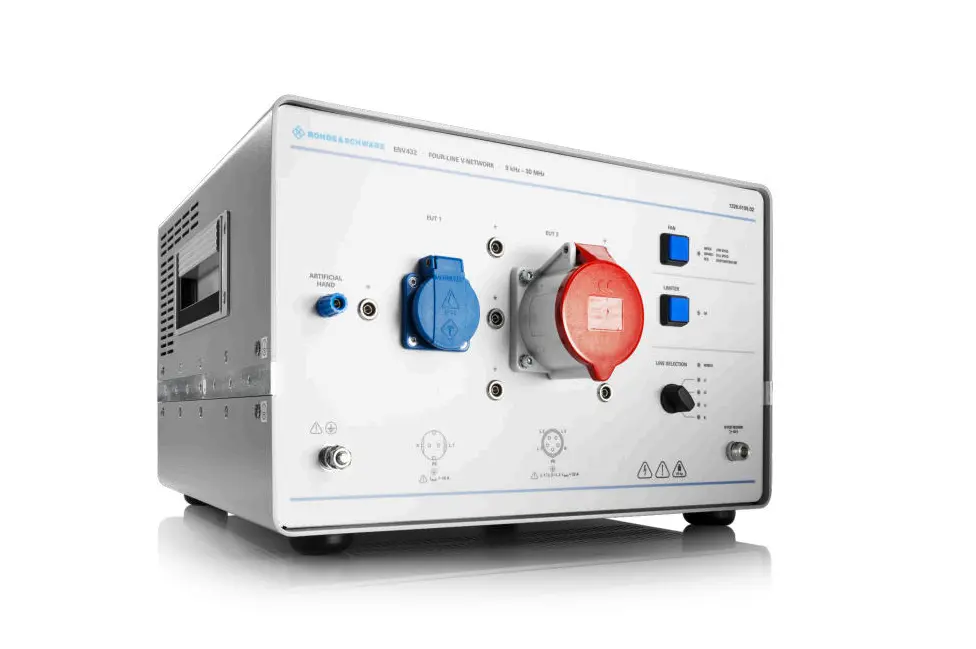
Understanding Conducted Emissions Conducted emissions are a crucial aspect of electromagnetic compatibility (EMC) testing. They refer to the unwanted electrical noise or interference that is conducted along power or signal lines, which can potentially disrupt other electronic devices. Why is Conducted Emission Testing Important? Testing for conducted emissions ensures that electronic products do not interfere Conducted Emission

Automotive EMC Testing

Importance of EMC Testing in Automotive Industry 1. Safety Preventing Malfunctions Vehicles and ESAs must not emit electromagnetic interference that could cause failures in braking, steering, engine control systems, and power management modules. As vehicles integrate autonomous driving technologies, preventing EMI is more critical than ever. Protecting Occupants and Road Users Safety-critical electronic systems such Automotive EMC Testing

All about EMI filters

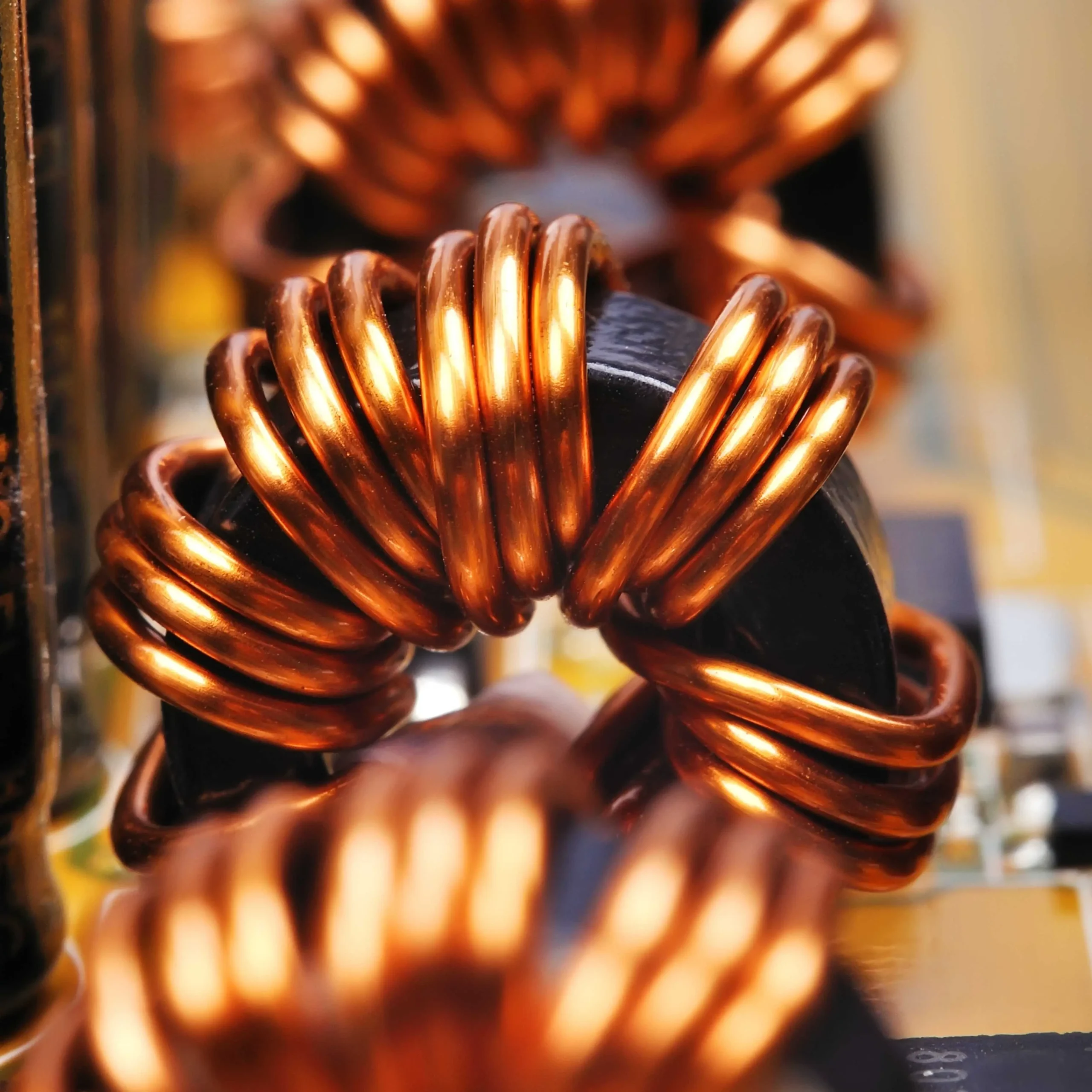
Power converters are the unsung heroes of modern electronics, quietly and efficiently transforming electrical energy to power everything from smartphones to electric vehicles. But there’s a hidden challenge in their design: electromagnetic interference (EMI). EMI is essentially electrical noise generated by the rapid switching of power semiconductor devices within the converter. This noise can disrupt All about EMI filters