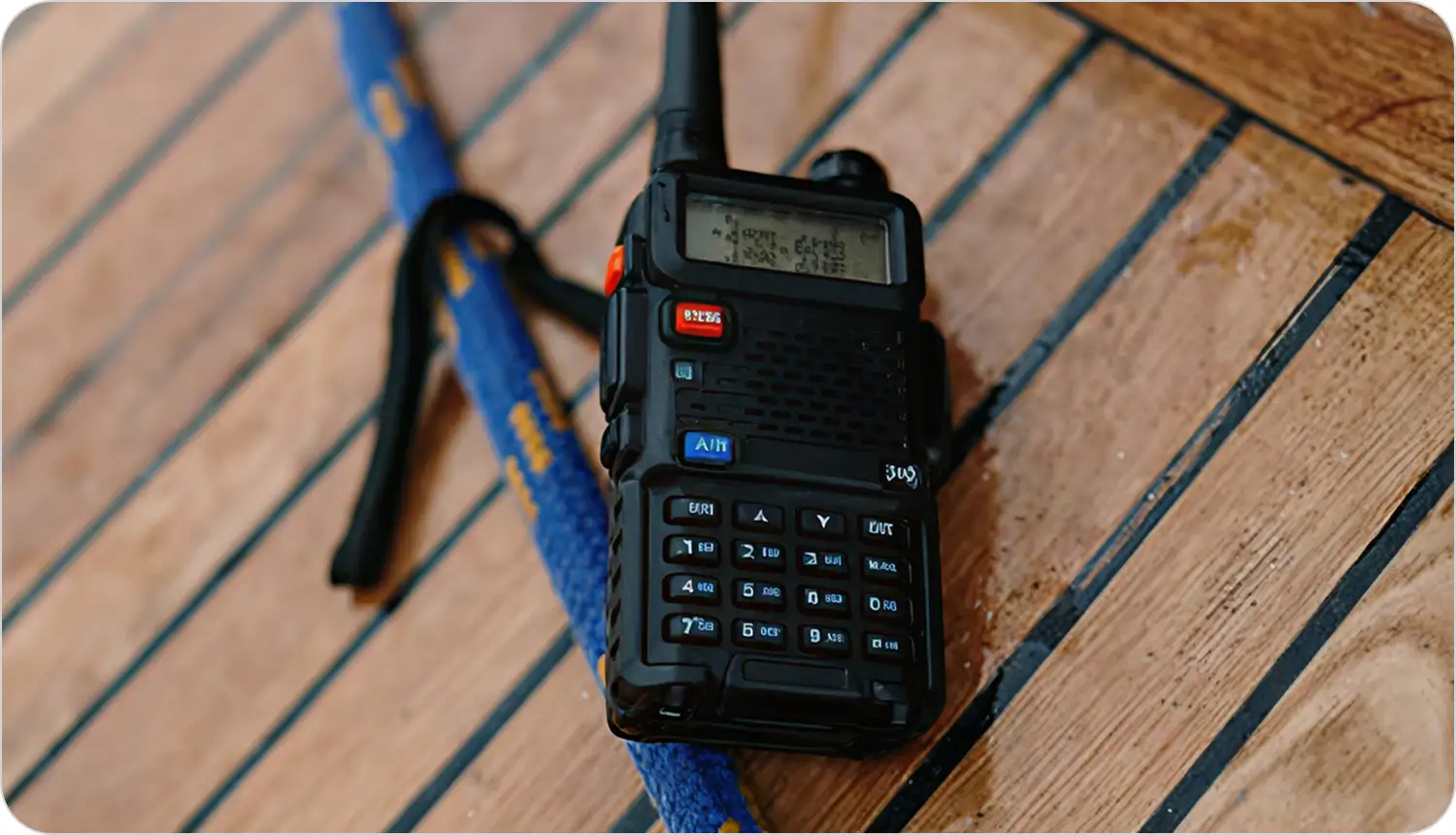
Power & Spectrum Occupancy
Transmitter output power, power spectral density, occupied bandwidth, frequency stability and duty cycle, as required by the applicable method.

RADIO COMPLIANCE · WIRELESS PRODUCTS · MILLIMETRE WAVE
Stancer Testing-Lab provides radio frequency (RF) testing and wireless testing services for manufacturers developing wireless products for international markets. Bring us your radio design, operating bands and target markets. We help your team define the required measurements, evaluate transmitter behaviour and prepare technical evidence for the applicable product-authorization process.
Our laboratory in Laval, Quebec, supports wireless product development and market-access programs for international clients. A2LA accreditation to ISO/IEC 17025:2017, certificate 7352.01, covers listed FCC, ISED RSS and ETSI radio methods. We also support antenna characterization and specialist high-frequency measurements, with the setup and accreditation coverage identified for each project.
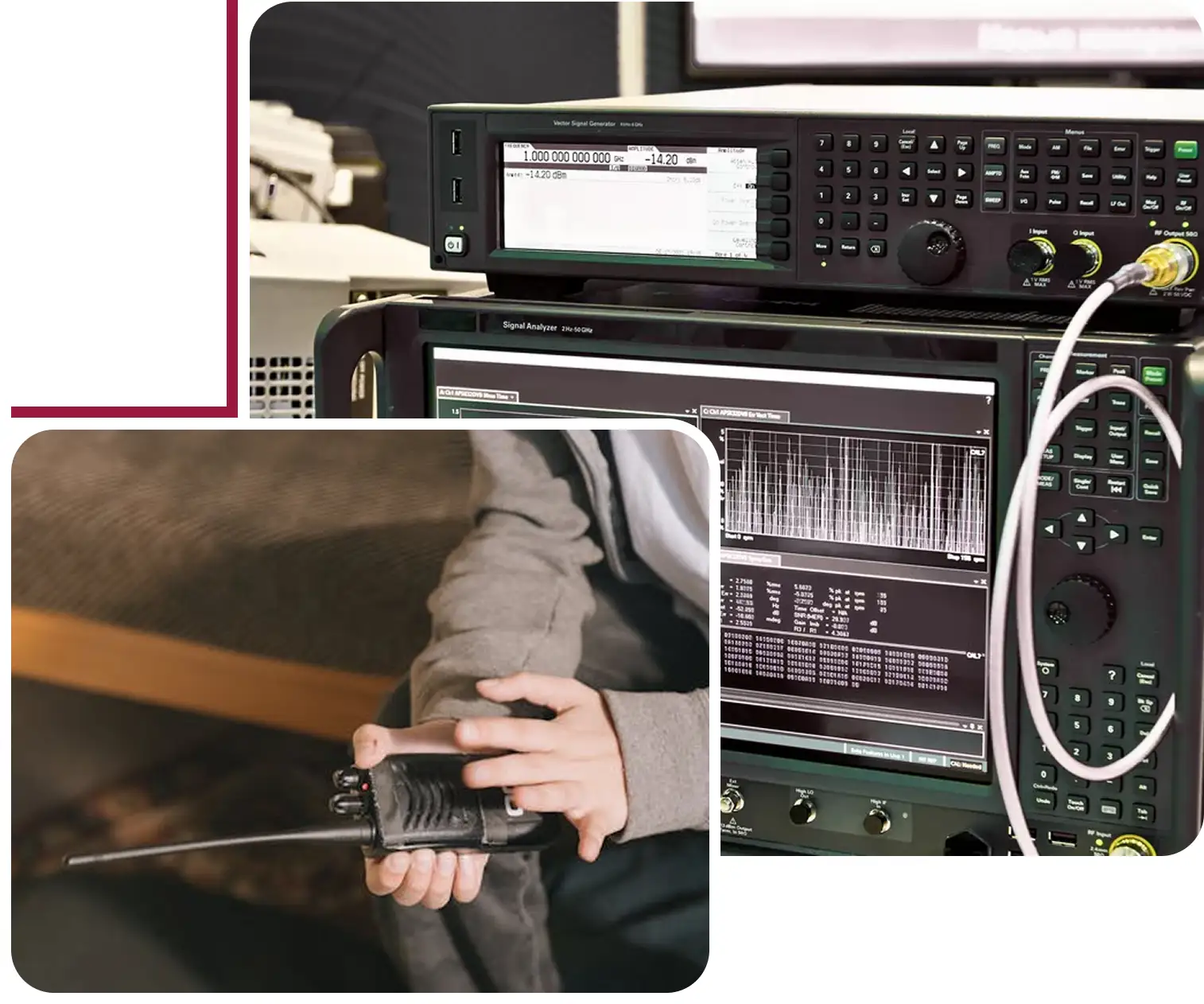
Radio transmitter testing evaluates power, spectrum occupancy and unwanted emissions against the applicable requirements. The measurement program depends on the radio technology, operating band, antenna arrangement and destination market. We define the relevant limits and configurations before formal testing.
Transmitter output power, power spectral density, occupied bandwidth, frequency stability and duty cycle, as required by the applicable method.
Conducted and radiated spurious emissions, harmonics, band-edge emissions and spectral masks to evaluate energy outside the intended transmission.
Dynamic frequency selection (DFS), spectrum-access behaviour and applicable receiver tests are included where required and confirmed for the device configuration.
Antenna-port measurements assess the radio through a cable connection. Radiated measurements assess emissions from the configured product, including its antenna and enclosure.
Tell us early if the antenna is integral or the RF port is inaccessible. Test firmware should provide repeatable channels, power settings and transmission modes without changing the product’s intended RF characteristics.
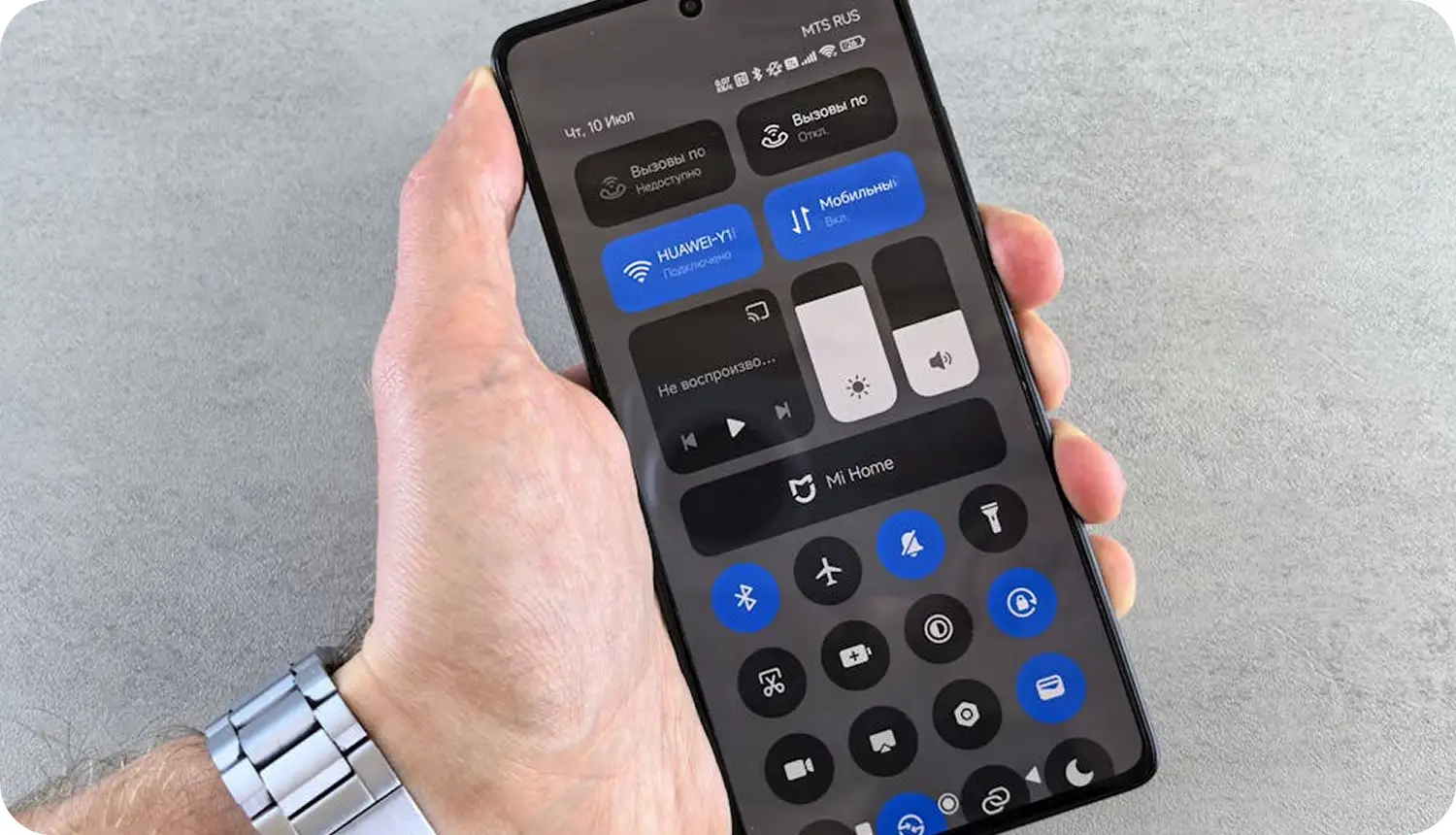
Our RF programs support wireless sensors, gateways, industrial controls, connected medical equipment, radio modules and radar-related products. Examples include:
For focused services, explore Wi-Fi & Bluetooth testing and wireless device compliance testing.
The examples below are drawn from Stancer’s accreditation scope. The quotation identifies the applicable rule, standard version, frequency range and test parameters for your product.
| Market / application | Scope references |
|---|---|
| United States: unlicensed transmitters | FCC Part 15, Subparts C, D, E, F and H; ANSI C63.10 and ANSI C63.17, as listed |
| United States: licensed radio equipment | Listed FCC Parts including 22, 24, 27, 30, 80, 87, 90, 95, 96 and 101; ANSI C63.26 and listed ANSI/TIA methods |
| Canada: general radio requirements | RSS-Gen and the applicable product-specific RSS |
| Canada: short-range, RLAN & UWB examples | RSS-210, RSS-247, RSS-248 and RSS-220 |
| Canada: licensed-radio examples | RSS-119, RSS-130, RSS-132, RSS-133 and RSS-139, among the listed methods |
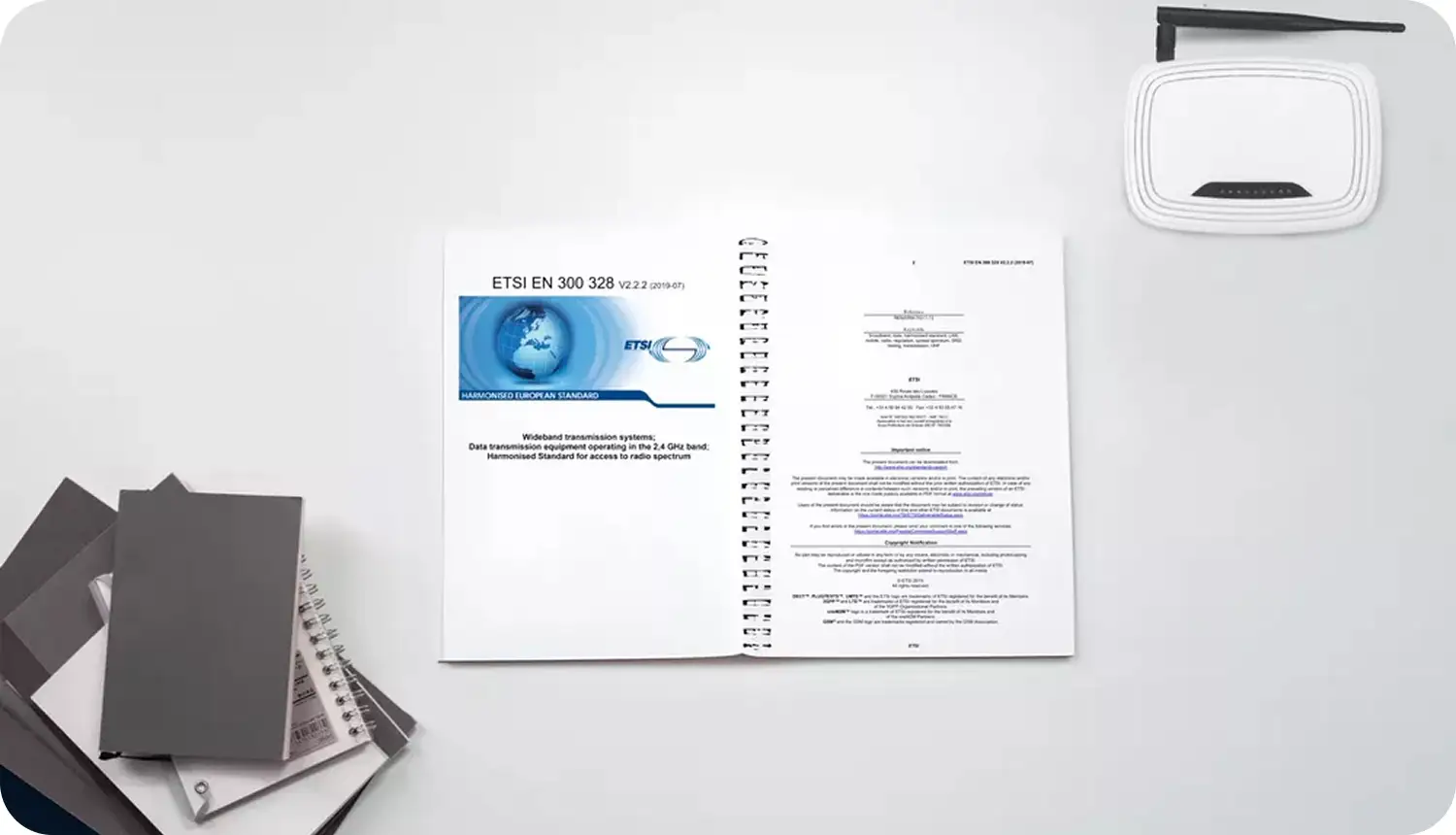
| Europe: 2.4 GHz and 5 GHz RLAN | ETSI EN 300 328; ETSI EN 301 893 |
| Europe: short-range devices | Listed ETSI EN 300 220-1/-2, EN 300 330-1/-2 and EN 300 440-1/-2 methods |
| Europe: RFID and radio EMC | ETSI EN 302 208; listed EN 301 489 parts |
| Other market examples | AS/NZS 4268; AS/NZS 4771; ARIB-STD T66 and T71; listed regional radio methods |
We support the required RF measurements and test documentation for the applicable equipment-authorization route. Where a grant is required, certification proceeds through the appropriate TCB. Explore FCC certification testing.
We establish the relevant RSS requirements for your radio and support testing and technical documentation for the applicable Canadian process. Explore ISED certification testing.
Radio testing contributes to the evidence for RED conformity. Applicable editions and their regulatory status are checked for the intended product. Explore CE marking and compliance support.
Country requirements vary. Share your full market list so the program can identify reusable measurements and additional national requirements. Explore global market access.
Stancer uses specialist high-frequency mixers, frequency-extension equipment and antennas for applicable radar, sensing and high-frequency radio measurements. The FCC tables in our A2LA scope list maximum measurement frequencies of 325,000 MHz (325 GHz).
This is measurement coverage, including investigations of emissions above a device’s operating band. It does not mean that every radio can operate or be approved at 325 GHz. We confirm the method, equipment chain, frequency range and required sensitivity for the specific measurement.
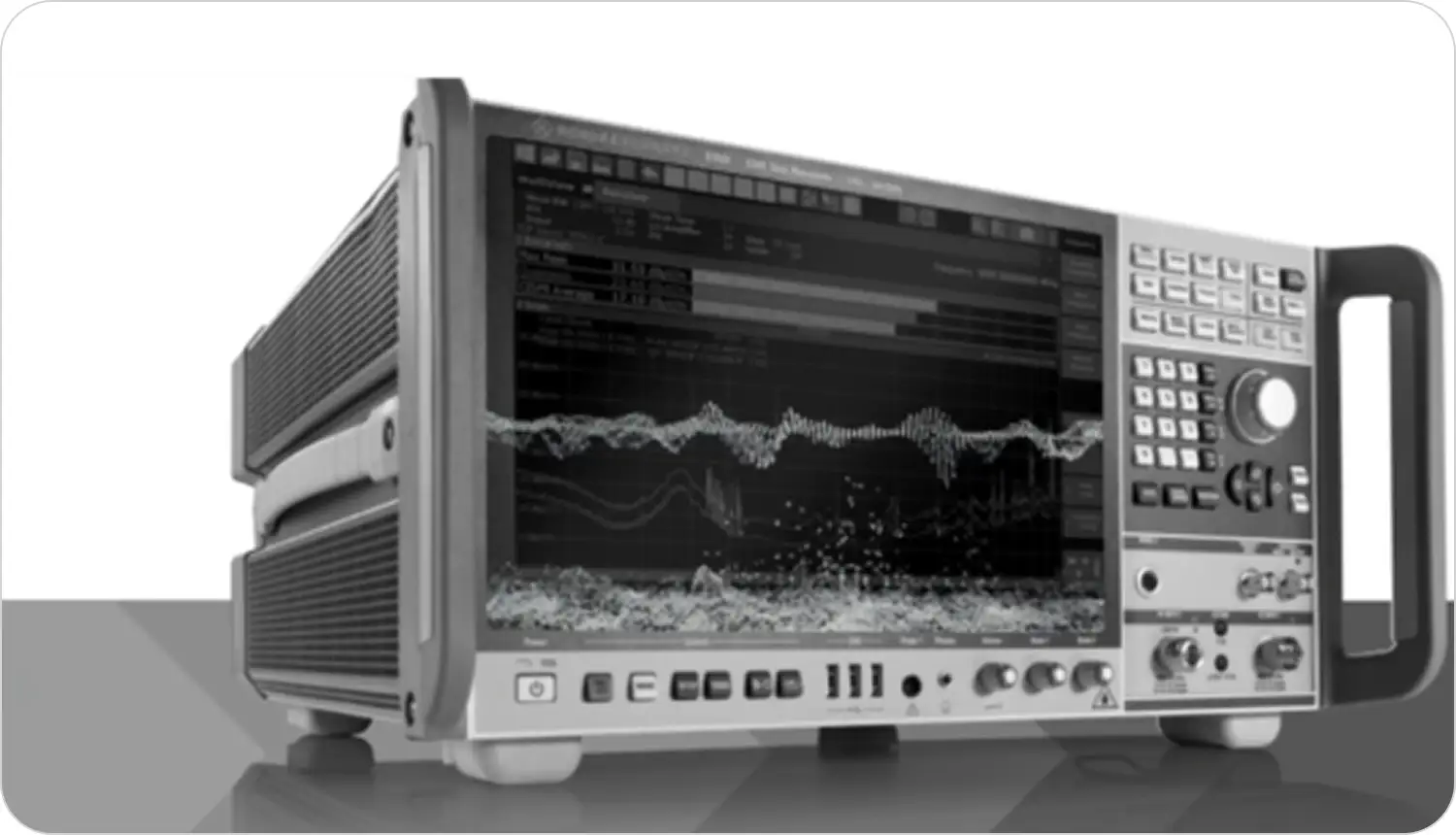
Our instrumentation includes a Rohde & Schwarz ESW receiver with coverage to 44 GHz, RF signal generators, a CMW500 radio communication tester, power meters and specialist antennas. See our laboratory capabilities and automotive radar testing.
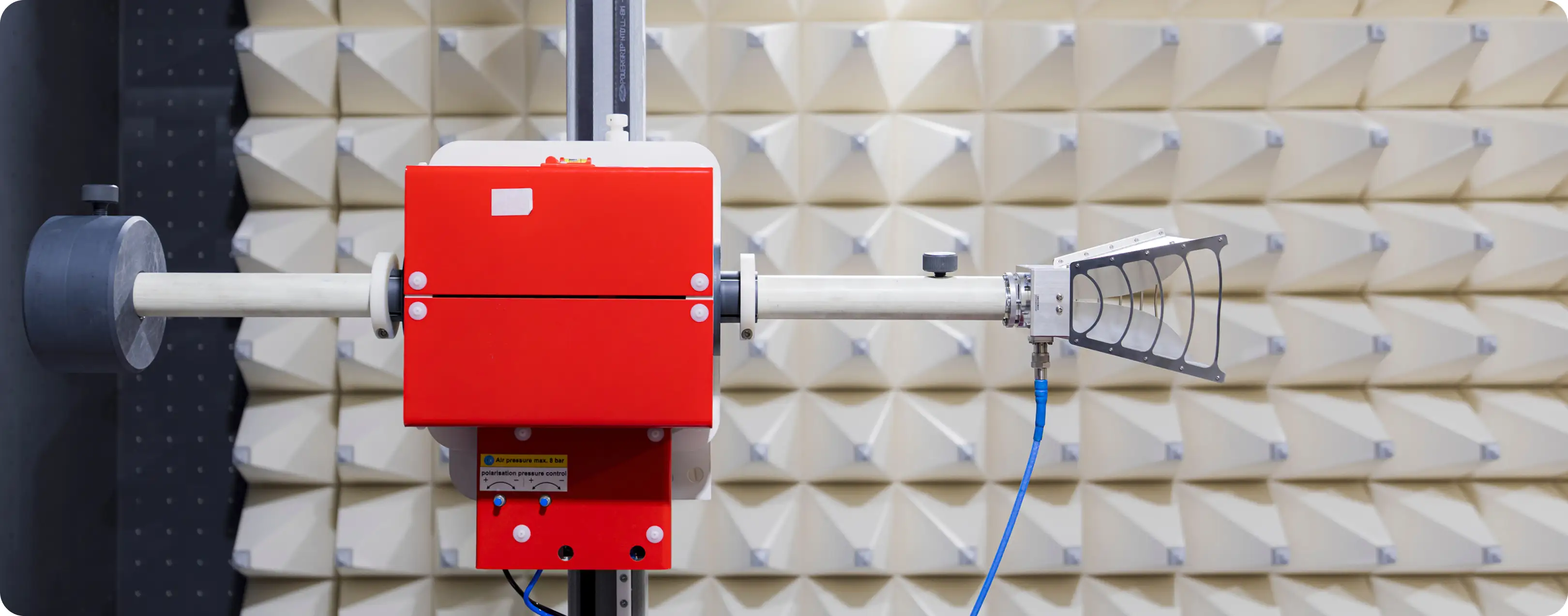
Antenna placement and enclosure design can affect the finished product’s radiation. We support 360° radiation-pattern characterization and antenna-gain evaluation for applicable wireless and radar products.
Our automated positioning systems support controlled measurement sequences. The agreed engineering program identifies the frequency, polarization, angular sampling, reference arrangement and configuration. Accreditation status is specified for the requested activity; antenna characterization is kept distinct from the regulatory test report.
A previously approved module can simplify the path to market, but its approval conditions still matter. Send the module model, existing FCC ID or ISED certification number, antenna specifications and integration instructions.
We review the proposed host, antenna gain, power settings, firmware and simultaneous-transmission modes to establish the required test program. Applicable EMC testing for the host is considered alongside radio requirements. For connected healthcare equipment, review our medical device EMC service.
Use our EMC & RF Client Information Sheet to organize the product details and test configuration before booking. Clear test-mode instructions help us plan repeatable measurements and identify any additional sample preparation.
Provide the product description, dimensions, target markets, radio technologies, frequency bands, channel bandwidths, maximum output power, antenna type and gain, power source, firmware and test-mode instructions. Include module approvals, simultaneous-transmission modes, available RF connectors, sample quantities and your schedule.
RF testing cost depends on the radio technologies, frequency bands, channel bandwidths, antenna configurations, operating modes and target markets. Sample preparation, access to RF ports and repeatable test firmware also affect measurement time. Share your product specifications, module approvals and test-mode instructions for a project-specific RF testing quote. We identify the required measurements and any additional work before testing begins.
RF testing, or radio frequency testing, measures radio characteristics such as transmitter output power, occupied bandwidth and unwanted emissions against the applicable radio requirements. EMC testing evaluates electromagnetic disturbances from the product and, where required, its immunity to applied disturbances. A finished wireless product may need both; we review the radio and host configuration together when planning the tests.
Often, overlapping measurements can be planned together. The applicable FCC and ISED methods, limits and documentation are checked before deciding which results can support both markets.
Our scope lists RSS-248, which addresses RLAN devices in the 5925–7125 MHz band. Send the device class, bands and operating modes so we can confirm the required configuration and measurements.
Our FCC scope tables list 325 GHz as a maximum measurement frequency. The usable range and sensitivity are confirmed for the selected setup and method; the device’s permitted operating band is a separate matter.
It depends on the approval conditions and integration. We review the module documents, antenna, host emissions and operating configurations before defining the additional testing.
We assess a suitable radiated setup and any necessary conducted access during planning. Describe the antenna and available test interfaces before sending the sample.
No. Regulatory radio testing, antenna characterization and RF exposure address different requirements. Tell us about any SAR, power-density, coexistence or protocol-certification needs so they can be scoped separately.
Share your radio technology, operating bands and destination markets. Our engineers will define the measurements, sample preparation and documentation needed for your product.
Complete our Client Information Sheet before testing. It captures your target markets, product details, power requirements, interfaces, operating modes and monitoring arrangements so our team can plan the assessment.
What to Prepare Before Testing
Send the completed form to info@stancermtl.com. Our technical team will confirm the sample configurations and test requirements for your product.