

Voltage Dips and Short Interruptions Testing
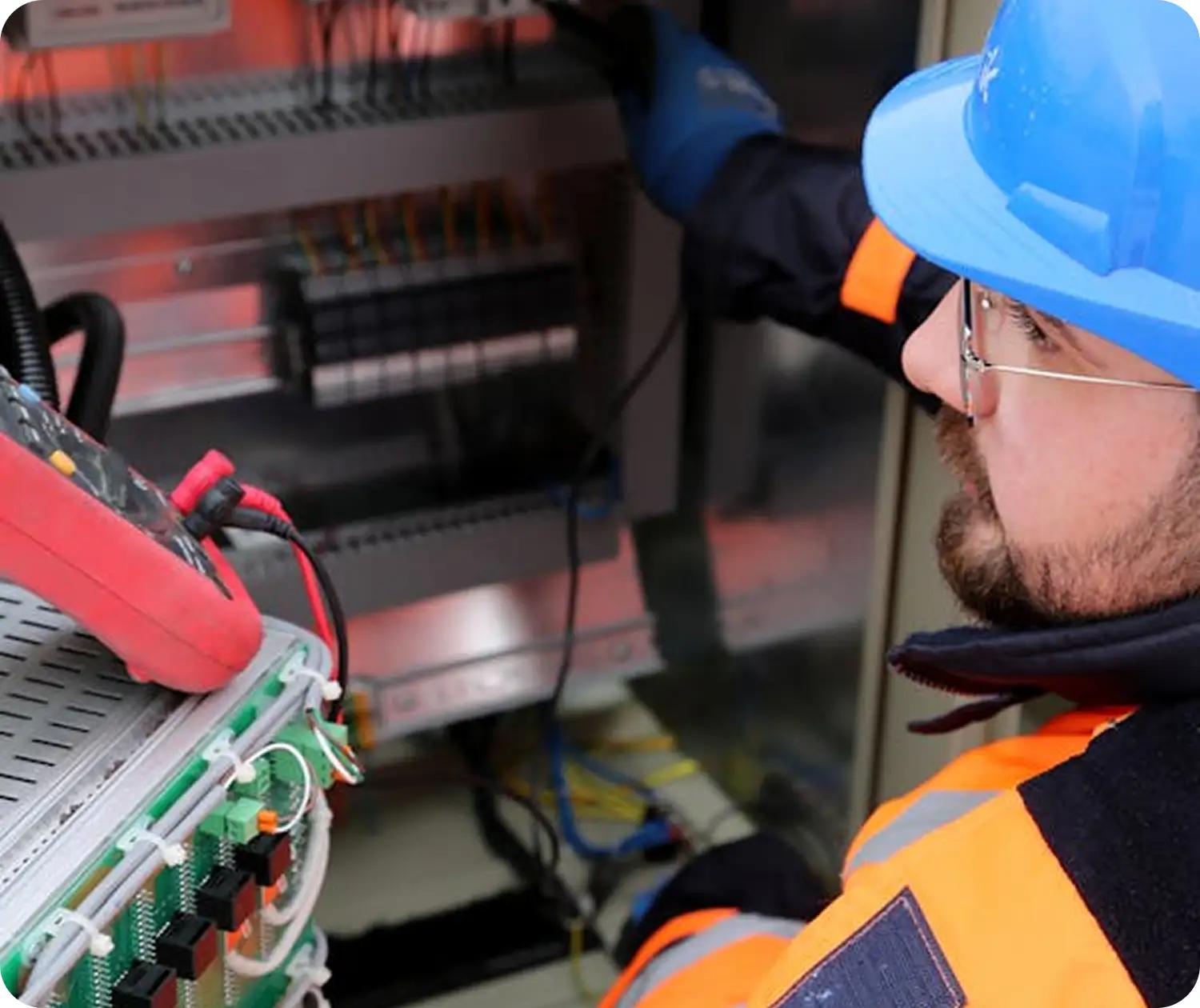
Voltage Dips, Short Interruptions and Variations Testing
Voltage dips and short interruptions testing evaluates how equipment responds when its supply voltage falls or briefly disappears. Voltage variation testing examines the response to specified changes in the supply level. Stancer Testing-Lab helps product teams assess continued operation, loss of function and recovery under agreed AC or DC test conditions.
The evaluation forms part of a product-specific EMC testing program. We define the supply characteristics, disturbance profile, operating modes and performance criteria before testing, with accredited coverage confirmed against our ISO/IEC 17025 scope.
What Supply Disturbance Testing Helps You Evaluate
Operation During a Disturbance
Monitor outputs, communications, control functions and other agreed indicators as the supply voltage changes.
Recovery After Power Returns
Assess automatic restart, retained settings, recovery time and whether intervention is required.
Design and Compliance Evidence
Compare corrective changes and document the tested configuration, disturbance conditions and observed behaviour against the applicable criteria.
AC and DC Test Methods and Planning
Duration and Timing
Disturbance duration, repetition and applicable AC phase angle influence the evaluation. AC cycles and DC time intervals are specified as required by the method.Functional Recovery
Monitoring covers operation during exposure and the recovery after power returns, using agreed product-specific criteria.Select the Correct Supply Test
AC and DC disturbances require different methods. The supply type, rated input current and applicable product standard guide the selection; a laboratory power-source rating does not define the scope of a standard.| Method | Supply | Application guide |
|---|---|---|
| IEC/EN 61000-4-11 | AC input | Voltage dips, short interruptions and variations for equipment with input current up to 16 A per phase, within the method's conditions. |
| IEC/EN 61000-4-29 | DC input | Voltage dips, short interruptions and variations at DC input power ports, using the required profiles and monitoring. |
| Higher-current AC equipment | AC input above 16 A per phase | Review the applicable higher-current method, such as IEC 61000-4-34, separately. Setup availability and accredited coverage must be confirmed before quotation. |
Our Test Sequence
- Plan. Agree the applicable method, product requirements, supply configuration and performance criteria.
- Configure. Connect the representative sample, loads, monitoring and suitable programmable supply or disturbance generator.
- Apply. Execute the required residual voltages, durations, repetition and applicable AC phase-angle conditions.
- Monitor. Observe behaviour during the disturbance and after supply restoration.
- Report. Document the setup, applied conditions, observations and performance assessment.
Prepare Your Product for Testing
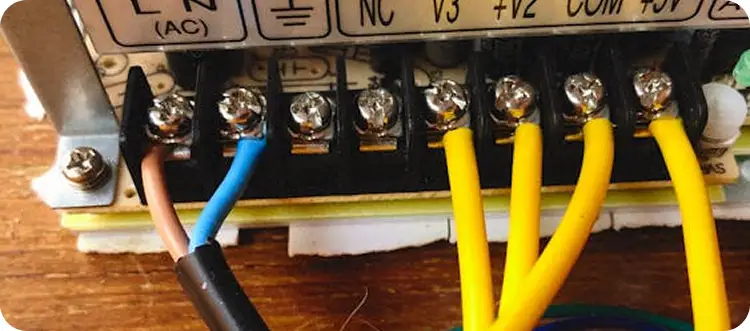
Provide the supply voltage, current, phase configuration, frequency and inrush characteristics. Include the applicable standard, disturbance levels, durations and operating modes. Bring representative cables, power supplies, loads and accessories. Define the functions to monitor, expected recovery and any permitted intervention. For medical electrical equipment, monitoring and acceptance criteria should reflect the applicable IEC 60601-1-2 EMC program. Use our client information sheet to prepare the details.Related Supply Tests Are Planned Separately
DC ripple immunity under IEC 61000-4-17 and power-frequency variation immunity under IEC 61000-4-28 address different disturbances. Ring-wave testing under IEC 61000-4-12 is a conducted transient test, rather than a voltage-dip method. Automotive starting profiles and vehicle supply tests also need their own specifications. Discuss those through our automotive EMC service. We confirm the requested profiles, source/load limits, standard edition and accredited coverage before scheduling.Voltage Dips and Interruptions FAQs
What is the difference between a voltage dip and an interruption?
A voltage dip is a temporary reduction in the supply level. A short interruption involves a brief loss, or near loss, of supply. The applicable method defines the disturbance conditions and how they are applied.
Does IEC 61000-4-11 cover DC-powered equipment?
No. IEC 61000-4-11 addresses AC-powered equipment within its stated current scope. IEC 61000-4-29 addresses dips, interruptions and variations at DC input power ports.
Must the equipment operate without any change during every test?
The applicable product standard and agreed performance criteria determine the acceptable response. A test may assess continued function, temporary degradation and recovery; these criteria must be defined before testing.
Can you investigate resets or slow recovery before formal testing?
Yes. Pre-compliance investigations can compare supply hold-up, restart behaviour and corrective design changes. The findings are specific to the tested configuration and do not guarantee a later compliance pass.
Plan your testing
Let’s move your product toward market.
Tell us about your product, testing needs, and target markets. Our technical team will help define the scope and prepare a tailored quotation.