mr-hossein

Electrostatic Discharge (ESD) Modern Challenges, Regulations, Advanced Protection Strategies, and Emerging Applications
Introduction Electrostatic discharge (ESD) remains one of the most critical and underestimated reliability challenges in modern electronics. As semiconductor technologies continue to scale toward smaller geometries and higher integration densities, electronic systems become increasingly vulnerable to transient electrical events. A single ESD event can permanently damage integrated circuits, degrade system reliability, corrupt data, trigger unintended Electrostatic Discharge (ESD) Modern Challenges, Regulations, Advanced Protection Strategies, and Emerging Applications


Regulatory Aspects of 6G: Global Spectrum Policies, Compliance Challenges, and the Future of Wireless Connectivity

Introduction The transition from 5G to 6G is no longer a futuristic concept. Governments, regulators, standards organizations, telecom operators, semiconductor manufacturers, and wireless technology companies are already shaping the regulatory framework that will define the next generation of wireless communications. 6G is expected to deliver unprecedented capabilities including: Data rates approaching terabits per second Ultra-low Regulatory Aspects of 6G: Global Spectrum Policies, Compliance Challenges, and the Future of Wireless Connectivity

Electromagnetic Compatibility for Wearable IoT Devices: Design, Safety, Testing, and Global Market Access

Introduction: Wearables Are No Longer Simple Consumer Gadgets Wearable technology has rapidly evolved from simple activity trackers into sophisticated connected systems used in healthcare, wellness, entertainment, navigation, industrial monitoring, augmented reality, virtual reality, and mixed-reality applications. These products may be worn on the wrist, integrated into clothing, embedded in footwear, placed near the ear, attached Electromagnetic Compatibility for Wearable IoT Devices: Design, Safety, Testing, and Global Market Access

EMC and RF Testing in Real Environments

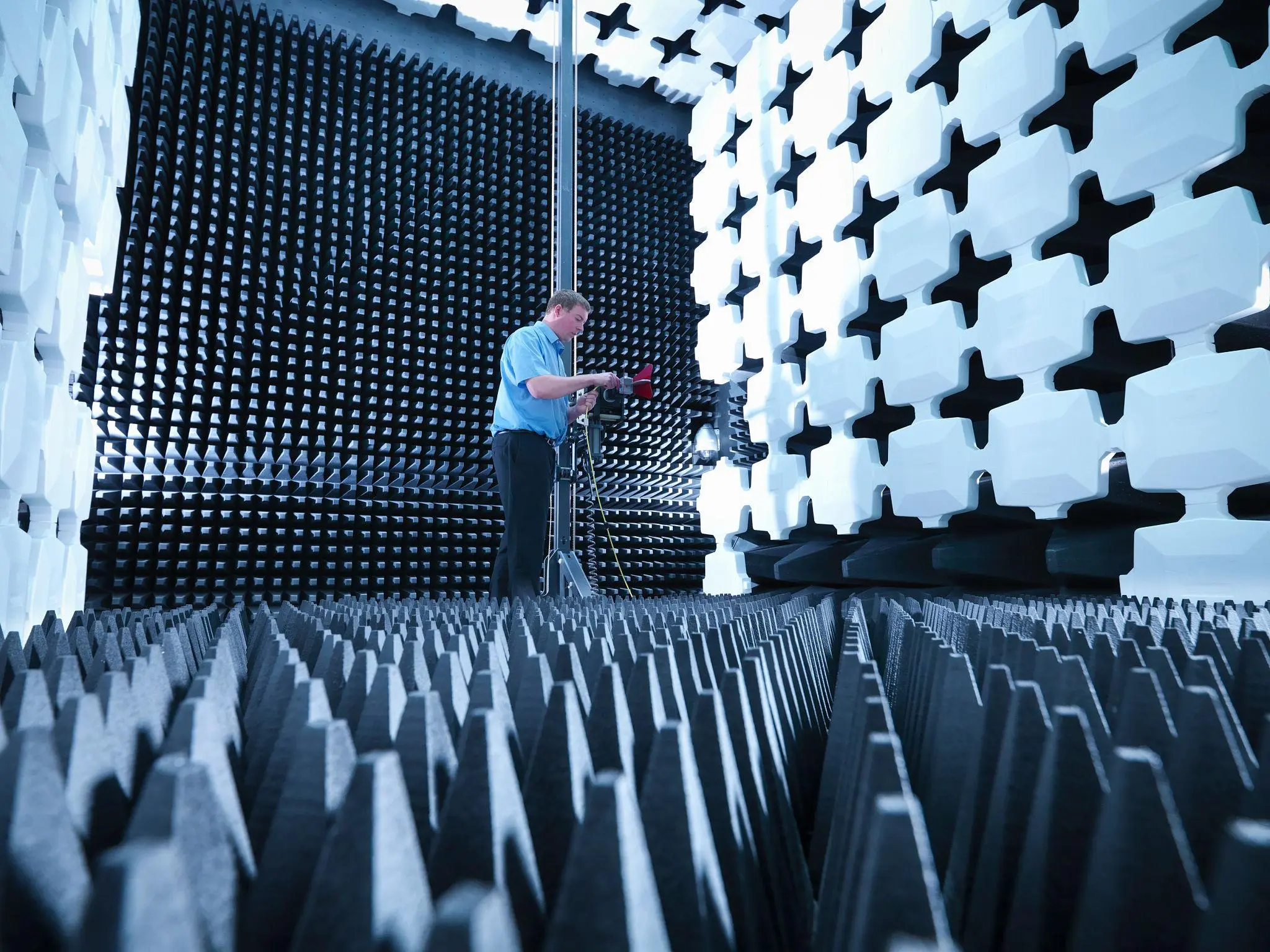
Electromagnetic compatibility testing is built on the principle of repeatability. Laboratories rely on controlled environments such as semi-anechoic chambers or open area test sites to ensure that measurements are consistent, traceable, and comparable across different products and test campaigns. These environments simulate free-space conditions where emissions can be measured in a predictable and standardized way, EMC and RF Testing in Real Environments

Broadband Radiated Emissions Caused by a Brushed DC Motor

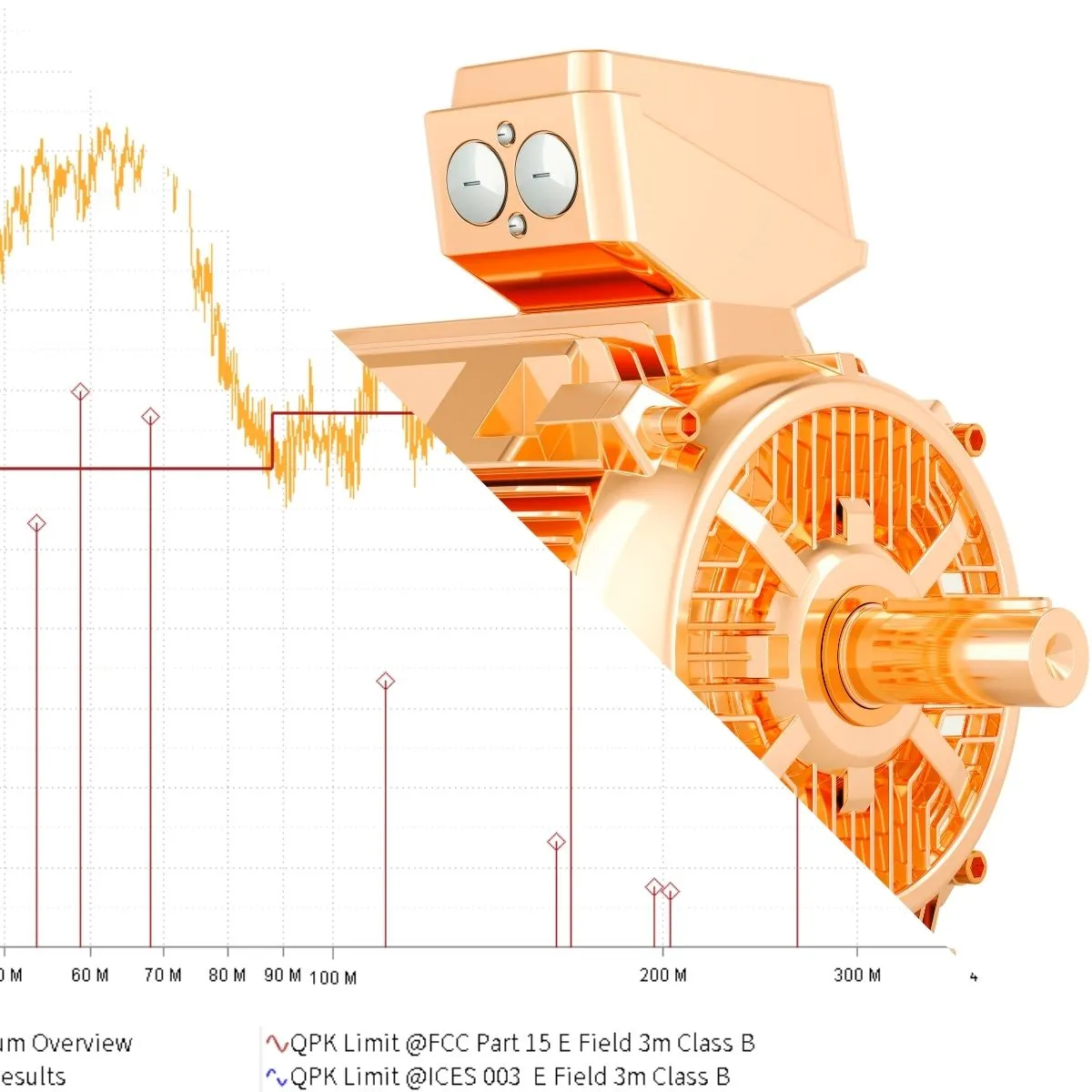
Every EMC engineer eventually meets the same situation. A product fails radiated emissions testing, the spectrum looks chaotic, and the first explanation sounds logical but turns out to be wrong. Recently I worked on a product that showed significant broadband radiated emissions across almost the entire measured band. At first glance the spacing between peaks Broadband Radiated Emissions Caused by a Brushed DC Motor

FDA EMC Guidance for Medical Devices

Electromagnetic compatibility (EMC) testing is a critical component of medical device design, validation, and regulatory approval. Proper electromagnetic compatibility ensures that medical equipment performs safely and reliably in real world electromagnetic environments, resisting interference from surrounding systems while limiting its own electromagnetic emissions. Effective EMI testing and RF testing directly impact patient safety, device reliability, FDA EMC Guidance for Medical Devices

Automotive EMC Emission and Compliance Testing

Electromagnetic emissions are fundamental to vehicle compliance, product reliability, and safety in today’s complex automotive environment. As vehicles incorporate more power electronics, electronic control units (ECUs), communication modules, electric propulsion systems, and infotainment networks, the potential for electromagnetic interference (EMI) increases dramatically. If unmanaged, these emissions can disturb other electronic systems within the vehicle and Automotive EMC Emission and Compliance Testing

Regulatory Compliance for IoT

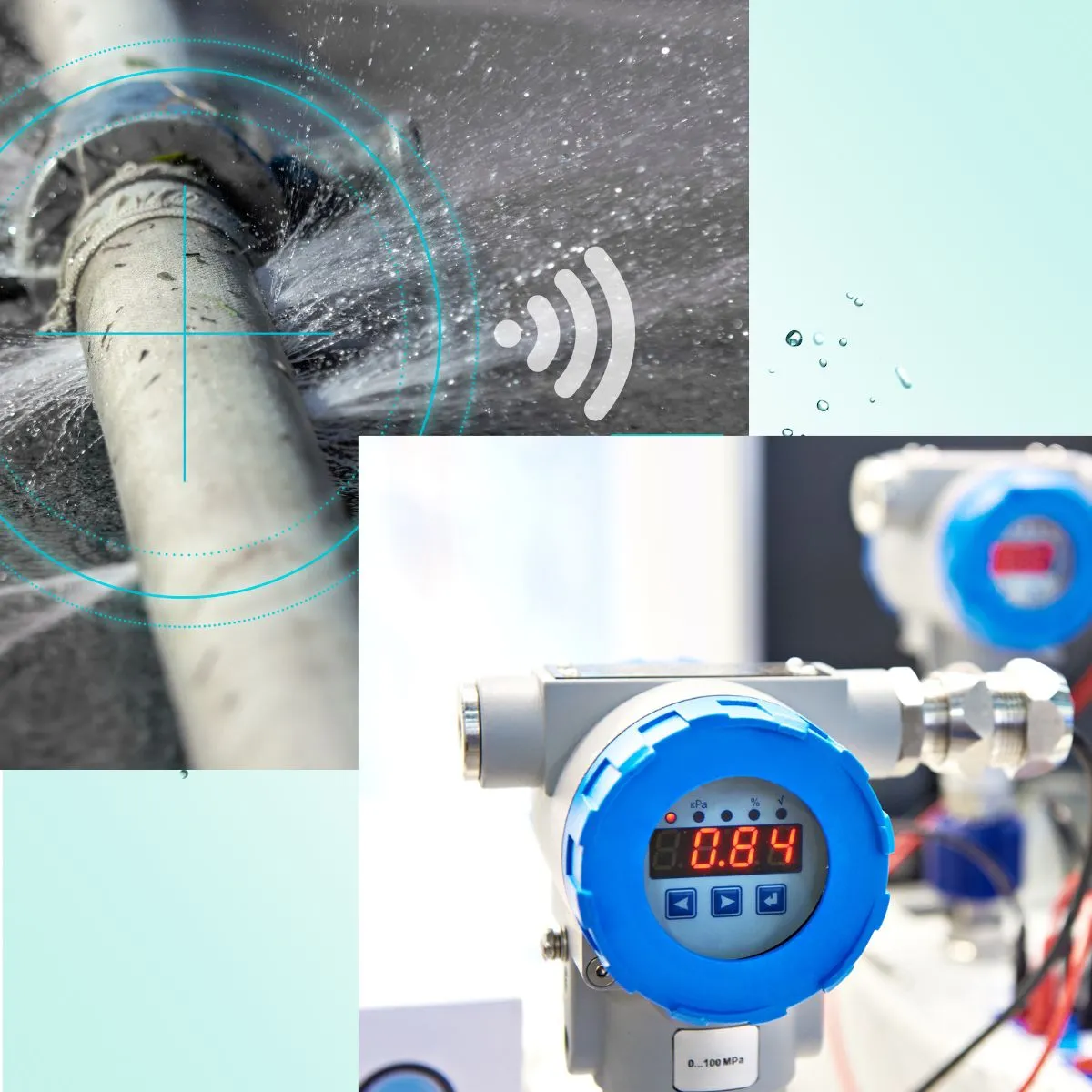
The Internet of Things ecosystem is expanding at an unprecedented rate. From industrial sensors and medical wearables to smart home devices and 5G connected infrastructure, nearly every new electronic product integrates wireless functionality. With this growth comes an increasingly complex regulatory landscape that demands rigorous RF Testing, radio frequency testing, and full spectrum regulatory compliance. Regulatory Compliance for IoT

Key Reasons for EMC test failure

You’ve invested significant time and capital into developing your electronic product. The prototype works, validation looks good, and performance targets are met. Then the unit enters compliance testing and fails. Not marginally, but decisively. Emissions exceed limits, immunity performance collapses, safety criteria are not met, and now you are facing redesign, retesting fees, and delayed Key Reasons for EMC test failure