Audio and video equipment
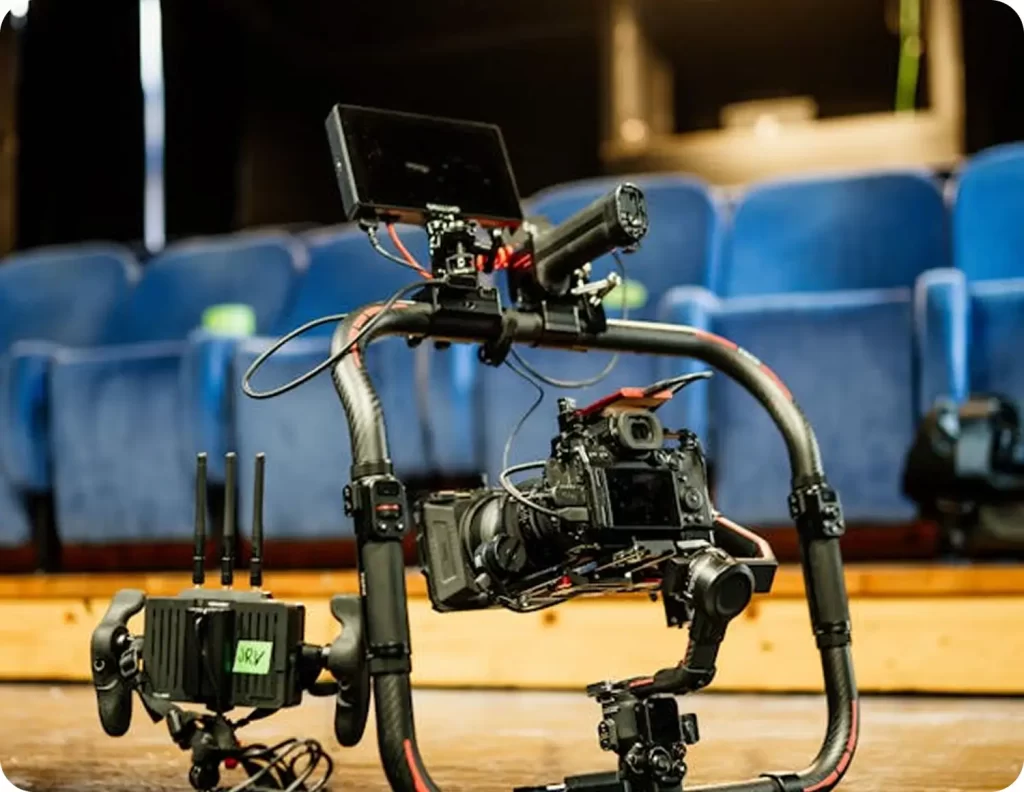
Audio processors, amplifiers, video interfaces and related electronics, with operating modes that exercise the functions being evaluated.

Audio, video, IT and multimedia products combine fast digital circuitry, switching power supplies, cables and increasingly wireless connectivity. Stancer Testing-Lab helps manufacturers evaluate the electromagnetic emissions and immunity of these products, with a test plan built around their functions and intended markets.
Our ISO/IEC 17025-accredited EMC and RF laboratory uses Rohde & Schwarz instrumentation and automated measurements to support development investigations and formal testing. We work with your engineers to select representative configurations, monitor product performance and document the results.
Use our EMC testing service for emissions and immunity planning. Products with Bluetooth, Wi-Fi or other transmitters may also need RF and wireless testing. Applicable standards, editions, equipment classes and accredited methods are confirmed before the program begins.
Request a quoteThe complete system matters: its power adapter, connected peripherals, cables, accessories and software can change the EMC result. We plan around the configurations you intend to supply.
Audio processors, amplifiers, video interfaces and related electronics, with operating modes that exercise the functions being evaluated.
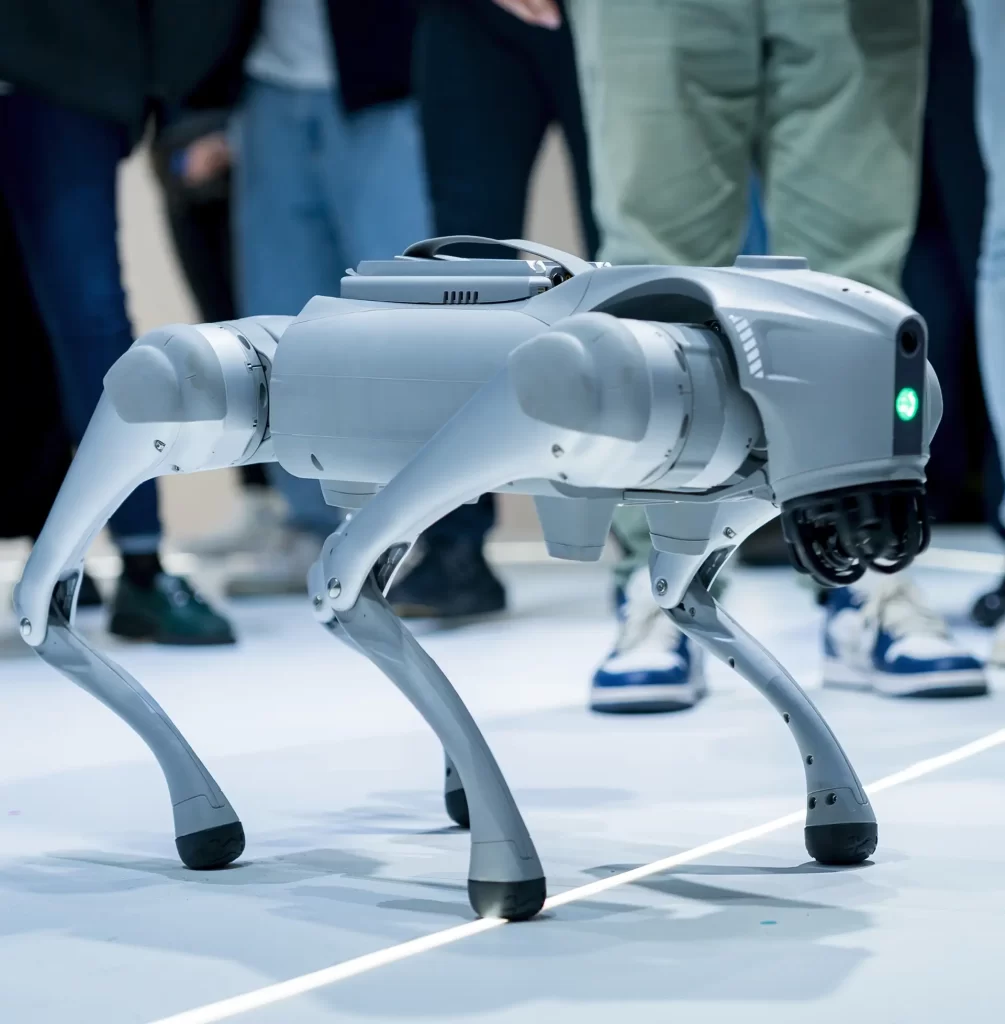
Computers, peripherals, digital controllers and data-processing equipment, including representative interfaces and connected support equipment.
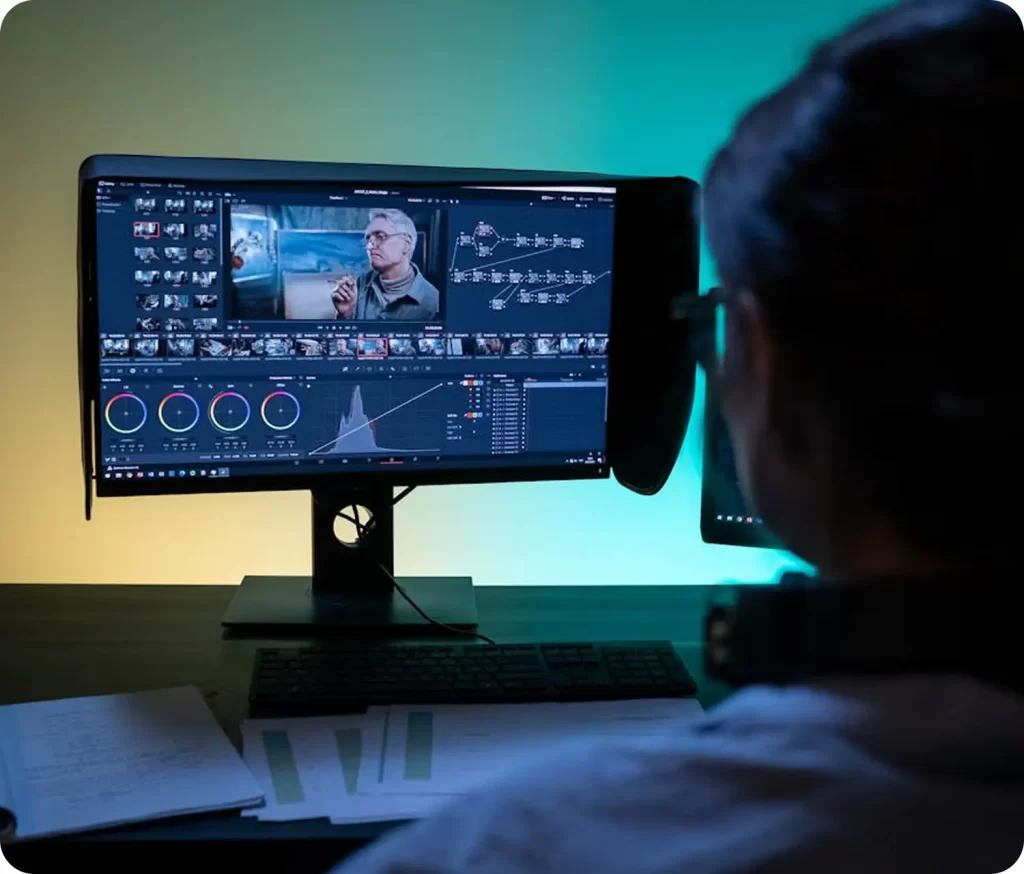
Displays, media systems and integrated AV products, evaluated with documented screen activity, signal paths and accessories.
Radio-enabled multimedia and IT products, with EMC and wireless measurements coordinated around the antenna and operating configuration.
Emissions, immunity and radio requirements answer different questions. The correct combination depends on the product, its functions and where it will be marketed.
| Reference | Purpose in the test plan |
|---|---|
| CISPR 32 / EN 55032 | Multimedia equipment emissions requirements, including the applicable Class A or Class B limits. |
| CISPR 35 / EN 55035 | Multimedia equipment immunity requirements, with performance monitored during the relevant disturbances. |
| FCC Part 15 Subpart B | U.S. requirements for applicable unintentional radiators, including digital equipment. The authorization route depends on device type. |
| ICES-003 | Canadian emissions and associated administrative requirements for applicable IT equipment and digital apparatus. |
| Applicable radio requirements | Additional FCC, ISED or ETSI requirements may apply when the product includes an intentional transmitter. |
These references guide the review; they do not replace checking the product-specific requirements and current editions. See our FCC testing, ISED testing and CE marking support pages for market-specific planning.
Before booking, complete the EMC and RF Client Information Sheet and review our accreditation information with the proposed test methods.
CISPR 32 addresses electromagnetic emissions from multimedia equipment. CISPR 35 addresses immunity: how the equipment performs when exposed to electromagnetic disturbances. A product may need both emissions and immunity evaluation for its intended market. We confirm the applicable editions and requirements during test planning.
The classification depends on the applicable standard and intended use environment. Class B limits are generally associated with residential use and are more restrictive than Class A limits. Share where the product will be used and marketed so that the classification, operating modes and representative configurations can be agreed before testing.
It may. CISPR multimedia evaluations address emissions and immunity, while an intentional transmitter can introduce separate radio requirements. Module approval, antenna choices and integration conditions should be reviewed for the finished product. Our RF and wireless testing team can coordinate the relevant measurements with the EMC program.
Yes. EMC pre-compliance testing can focus on a suspected noise source, an immunity response or a proposed cable, filter or enclosure change. Bring representative power supplies, peripherals, firmware and monitoring tools. These sessions provide design feedback; a pre-compliance result does not guarantee a later compliance pass.
Plan your testing
Tell us about your product, testing needs, and target markets. Our technical team will help define the scope and prepare a tailored quotation.