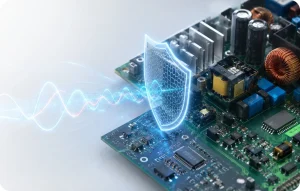

FCC Part 15B Compliance and Comparison with FCC Part 15C
When Does a Product Fall Under FCC Part 15B, Part 15C, or Both?
FCC Part 15 Authorization
Before any Part 15 transmitter can be sold or advertised, it must go through testing and receive formal authorization under FCC Part 15 rules. There are two paths to achieving this: certification and verification.
FCC Certification
FCC Certification, according to the FCC, works as follows:
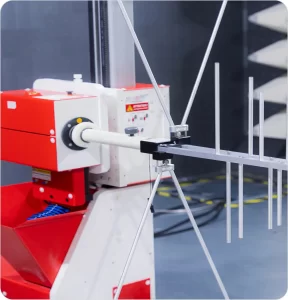
The certification process involves running tests that quantify how much radio frequency energy a device emits — either through the air or by conduction through its power cord. Before testing begins, the lab performing the work must have its facility details on record with the FCC, or those details must be submitted along with the certification paperwork. Once testing wraps up, a formal report is generated covering the testing methodology, results, and supporting details about the device — including its design schematics. Part 2 of the FCC Rules lays out exactly what needs to appear in this certification report.
FCC Verification
FCC Verification, per the FCC’s definition, works similarly but with some differences:
Verification also requires testing, but it can take place either at a lab with a calibrated test site or, when the transmitter can’t be relocated for testing, at the site where it’s installed. As with certification, these tests capture the radio frequency energy the transmitter puts out — whether radiated into the air or conducted along power lines. A report documenting the test method, findings, and device information (including design drawings) must follow. Just like certification, Part 2 of the FCC Rules spells out the required contents of a verification report.
Once either report is finalized, the manufacturer — or the importer, in the case of imported products — must retain it on file as proof the device satisfies Part 15’s technical requirements. This documentation needs to be readily available if the FCC ever requests it.
Stancer Testing-Lab in the capacity of an accredited EMC/RF Test Lab, helps manufacturers navigate FCC Part 15 compliance requirements. Our FCC Part 15 testing covers both conducted and radiated emissions, though additional testing may be necessary depending on the specific product. Reach out to us to learn how Stancer Testing-Lab can help you determine and meet your FCC Part 15 obligations.
Part 15B and Part 15C: Untangling the Mix-Up
A common misconception is calling FCC Part 15B “EMC testing.” That’s not quite accurate — Part 15B is actually a rule governing unintentional radiators, not a testing standard in itself. Its role is to keep digital devices from emitting excessive RF energy that could disrupt radio communications.
For most digital devices, meeting this requirement typically involves:
- Radiated Emissions
- Conducted Emissions (for equipment powered by AC)
These measurements follow established test methods like ANSI C63.4, while the actual regulatory thresholds come from Part 15B itself.
Here’s where confusion often sets in: even though both Part 15B and Part 15C involve radiated measurements, they’re assessing entirely different things.
Knowing the distinction between unintentional emissions and intentional transmitter standards makes it much easier to plan compliance testing and get accurate quotes.
Frequently Asked Questions
1. What is the difference between FCC Part 15B and FCC Part 15C?
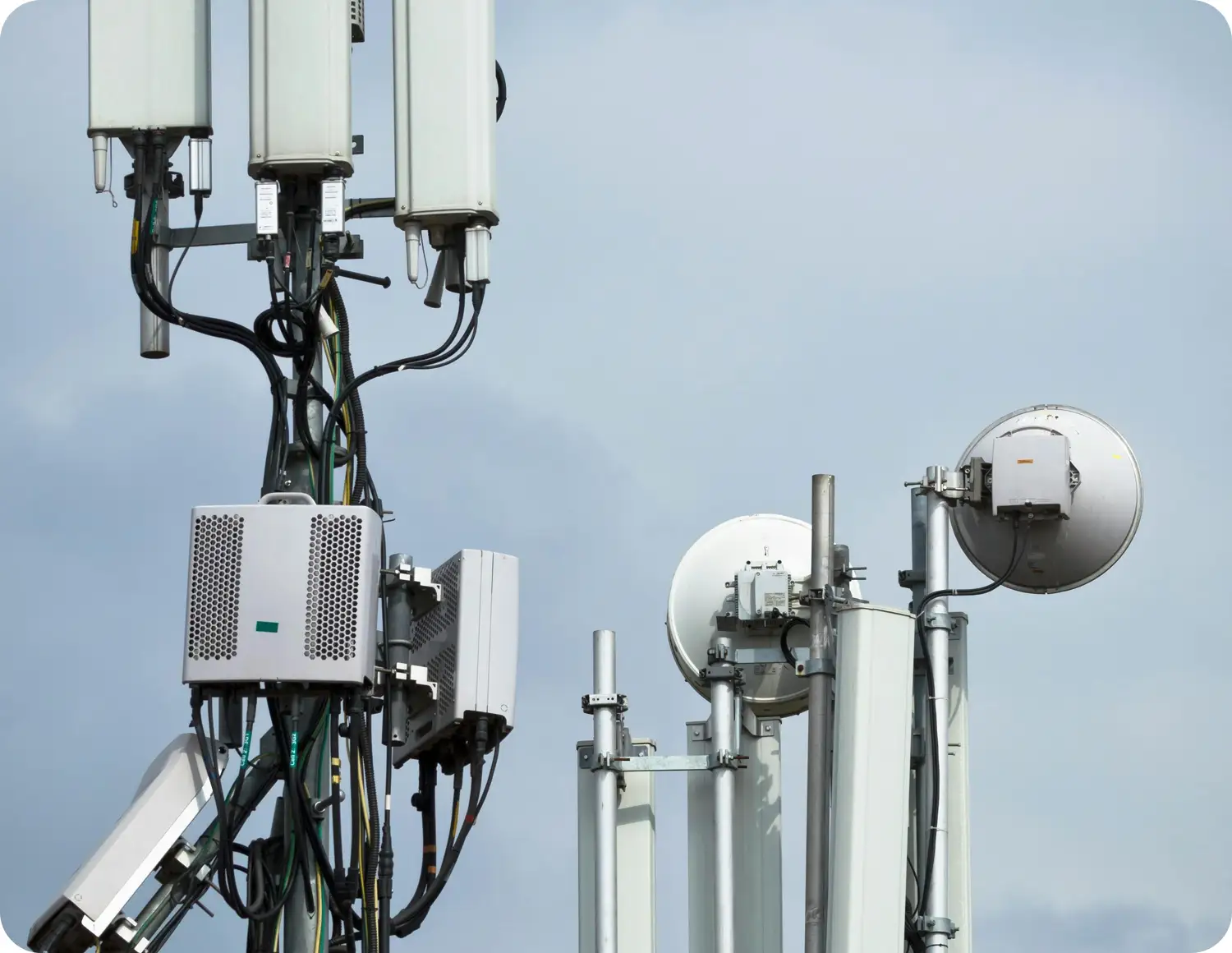
FCC Part 15B applies to unintentional radiators, such as digital electronics that may generate unwanted radio frequency emissions. FCC Part 15C applies to intentional radiators, including products that intentionally transmit radio signals such as Wi-Fi, Bluetooth, Zigbee, and other wireless devices.
2. Is FCC Part 15B an EMC testing standard?
No. FCC Part 15B is a regulatory requirement rather than a testing standard. Compliance testing is typically performed using methods such as ANSI C63.4, while the emission limits are specified in FCC Part 15B.
3. Which products require FCC Part 15B compliance?
Most electronic products containing digital circuitry—including computers, industrial controllers, consumer electronics, laboratory equipment, medical devices, and information technology equipment—must comply with FCC Part 15B before being marketed in the United States.
4. What tests are typically required for FCC Part 15B?
The most common evaluations include radiated emissions testing and, for AC-powered equipment, conducted emissions testing to verify compliance with the applicable FCC limits.
5. What tests are commonly performed for FCC Part 15C?
Depending on the wireless technology, FCC Part 15C testing may include output power, occupied bandwidth, band-edge compliance, transmitter spurious emissions, and other radio performance measurements.
6. Does a wireless product need both FCC Part 15B and FCC Part 15C testing?
Many wireless products require both. The digital electronics are evaluated under FCC Part 15B, while the intentional radio transmitter is assessed under FCC Part 15C or another applicable FCC rule part.
7. What is the difference between FCC Certification and FCC Verification?
Both procedures require testing and technical documentation. Certification requires submission to the FCC authorization process, while verification follows the applicable FCC requirements for demonstrating compliance through documented testing.
8. Why is it important to distinguish between FCC Part 15B and FCC Part 15C?
Understanding the distinction helps manufacturers identify the applicable regulatory requirements, define the appropriate testing scope, obtain accurate quotations, and avoid unnecessary certification delays.
9. Can Stancer Testing-Lab perform FCC Part 15 compliance testing?
Yes. Stancer Testing-Lab provides accredited EMC and RF testing for electronic and wireless products subject to FCC requirements. Our FCC Part 15 testing services support Part 15B unintentional radiators and Part 15C intentional radiators, with applicable emissions and RF measurements for products entering the U.S. market.
10. When should FCC compliance testing be considered during product development?
FCC compliance planning should begin during the product design phase. Early pre-compliance testing helps identify potential issues before final certification, reducing redesign costs and shortening the time to market.