FCC-Part-15-Testing-for-Electronic-and-Wireless-Products

FCC Part 15 Testing for Electronic and Wireless Products

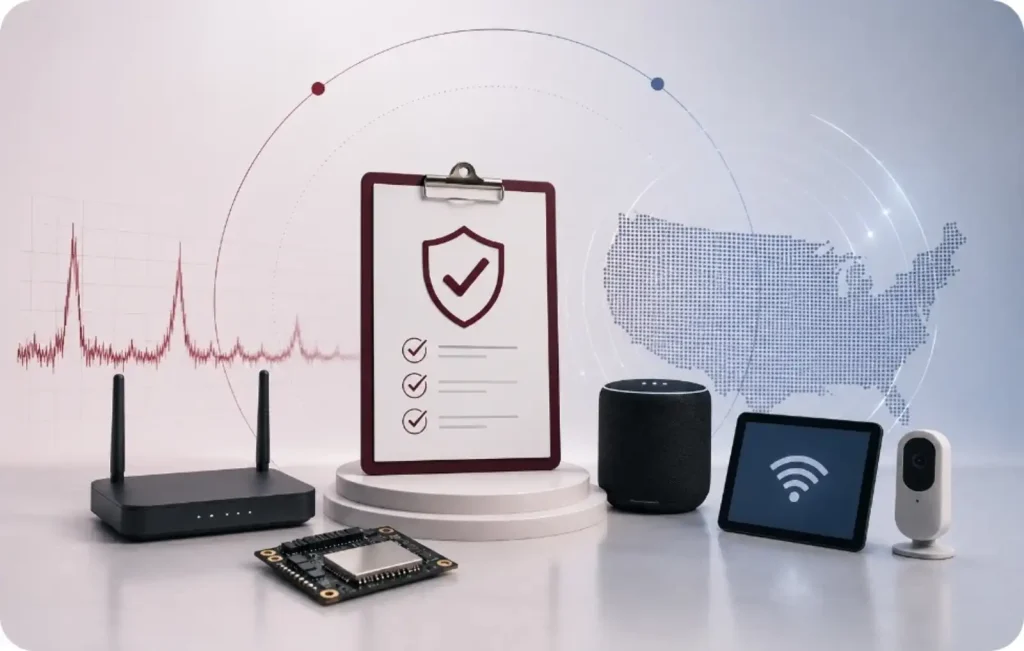
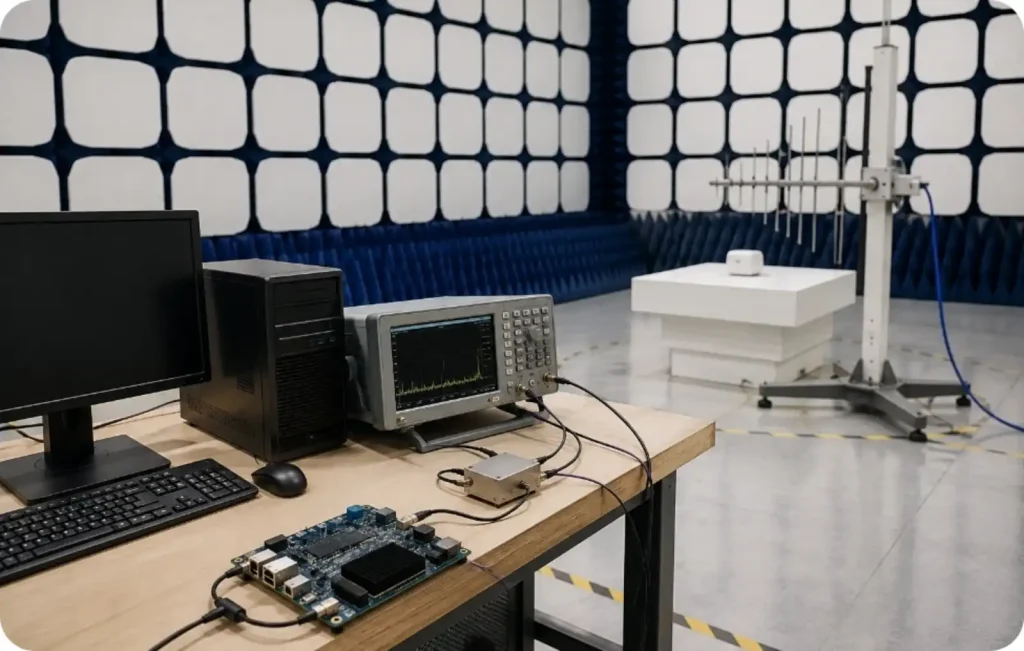
Stancer Testing-Lab provides FCC Part 15 compliance testing for electronic and wireless products intended for the U.S. market. Our laboratory supports both unintentional radiators under FCC Part 15 Subpart B and intentional radiators under applicable Part 15 wireless requirements. Testing can include conducted emissions, radiated emissions, RF output power, occupied bandwidth, band-edge measurements, spurious emissions, and other applicable measurements based on the product technology and FCC rule section.

Tests We Perform

Conducted Emissions

Measurement of RF disturbances conducted onto AC mains and other applicable interfaces in accordance with relevant FCC requirements and measurement procedures.

Radiated Emissions

Measurement of electromagnetic emissions from electronic and digital devices to determine compliance with applicable FCC radiated emission limits.

RF Output Power Test

Measurement of transmitter output power using applicable conducted or radiated methods based on the radio technology and FCC rule section.

Occupied Bandwidth

Evaluation of transmitter bandwidth and spectral characteristics to verify operation within the applicable FCC technical requirements.

Band-Edge Measurements

Verification of emissions near the boundaries of authorized frequency bands to demonstrate compliance with applicable band-edge limits.

Spurious & Unwanted Emissions

Measurement of harmonics, out-of-band emissions, and other unwanted transmitter emissions that may be subject to FCC limits.

FCC Part 15 Testing at Stancer Testing-Lab

FCC Part 15 Subpart B Testing

Conducted Emissions

Measurement of RF disturbances conducted onto AC power lines and other applicable interfaces using the required measurement equipment and procedures.

Radiated Emissions

Measurement of electromagnetic emissions radiated from the equipment to verify compliance with the applicable FCC Part 15 Subpart B limits.

Digital Devices & Electronic Equipment

Compliance evaluation for computers, industrial electronics, power supplies, controllers, multimedia equipment, and other products containing digital circuitry.

FCC Part 15 Testing for Intentional Radiators

Wireless transmitters operating under FCC Part 15 are subject to technical requirements that vary by frequency band, modulation, bandwidth, output power, antenna configuration, and device type. Stancer Testing-Lab supports FCC compliance testing for a range of intentional radiators and short-range wireless technologies.

RF Output Power

Measurement of conducted or radiated transmitter output power using the applicable FCC method for the radio technology and rule section.

Occupied Bandwidth

Evaluation of transmitter bandwidth and spectral characteristics to confirm operation within the applicable FCC technical limits

Band-Edge Compliance

Measurement of emissions near authorized band boundaries to verify compliance with applicable FCC band-edge requirements.

Spurious & Unwanted Emissions

Evaluation of out-of-band, harmonic, and other unwanted emissions to verify compliance with applicable FCC limits.

FCC Part 15 Testing and Certification Process

Stancer Testing-Lab supports manufacturers through the technical evaluation and documentation steps required for FCC Part 15 compliance and equipment authorization. The exact pathway depends on the device type, radio technology, and applicable FCC rule section.

01

Product Review

We review the product architecture, radio functions, operating frequencies, interfaces, and intended use to identify the applicable FCC Part 15 requirements.

02

Test Plan

A test plan is prepared based on the applicable rule sections, required measurements, product configuration, accessories, operating modes, and supporting documentation.

03

Laboratory Testing

The product is evaluated for the applicable conducted, radiated, and RF parameters using recognized test methods and laboratory instrumentation.

04

Test Report

Test results are compiled into the required technical report with product configuration, measurement data, test setup details, and compliance results.

05

Equipment Authorization Support

Where certification is required, Stancer can support preparation of the technical documentation needed for submission through the applicable FCC certification pathway.

06

U.S. Market Access

Once the applicable FCC authorization requirements are satisfied, the product can proceed toward compliant distribution and sale in the United States.

FCC Part 15 Testing FAQ

What is FCC Part 15 testing?

FCC Part 15 testing evaluates electronic and wireless products against technical requirements that limit radio-frequency emissions and, for intentional radiators, regulate transmitter characteristics such as output power, occupied bandwidth, band-edge emissions, and spurious emissions.

What is FCC Part 15 Subpart B?

FCC Part 15 Subpart B applies to unintentional radiators, including many digital and electronic devices that generate RF energy during normal operation. Typical testing includes conducted and radiated emissions.

What is the difference between an unintentional radiator and an intentional radiator?

An unintentional radiator generates RF energy as a by-product of its operation, while an intentional radiator deliberately transmits RF energy for communication or sensing. The applicable FCC Part 15 requirements and test methods differ between the two categories.

Which products may require FCC Part 15 testing?

Products such as digital devices, industrial electronics, computing equipment, IoT products, wireless devices, Bluetooth products, Wi-Fi devices, Zigbee devices, and other equipment containing digital circuitry or radio transmitters may be subject to FCC Part 15 requirements.

Does FCC Part 15 testing always require FCC certification?

No. The applicable equipment authorization pathway depends on the product and FCC rule section. Some unintentional radiators may be subject to Supplier’s Declaration of Conformity requirements, while many intentional radiators require FCC certification.

What measurements are commonly performed for FCC Part 15 compliance?

Depending on the device, testing may include conducted emissions, radiated emissions, RF output power, occupied bandwidth, band-edge measurements, harmonics, spurious emissions, and other measurements required by the applicable FCC rule section.

Can FCC Part 15 testing be performed in Canada?

Yes. FCC compliance testing can be performed by qualified laboratories outside the United States when the applicable FCC requirements, measurement procedures, and equipment authorization requirements are satisfied.

Can Stancer support both FCC and ISED testing?

Yes. For many electronic and wireless products, FCC and ISED requirements can be evaluated within a coordinated test program, helping manufacturers prepare for both U.S. and Canadian market access.

Have a question or need assistance?

We're excited to connect with you!